New Zealand is a world‑class education destination that combines top‑quality universities, English‑only teaching, and a safe, welcoming environment—making it a top choice for Nepali students in 2026. Known for innovation, research‑based learning, and a strong job‑oriented approach, New Zealand offers you a globally recognised degree plus generous work rights and a clear path to long‑term residence.
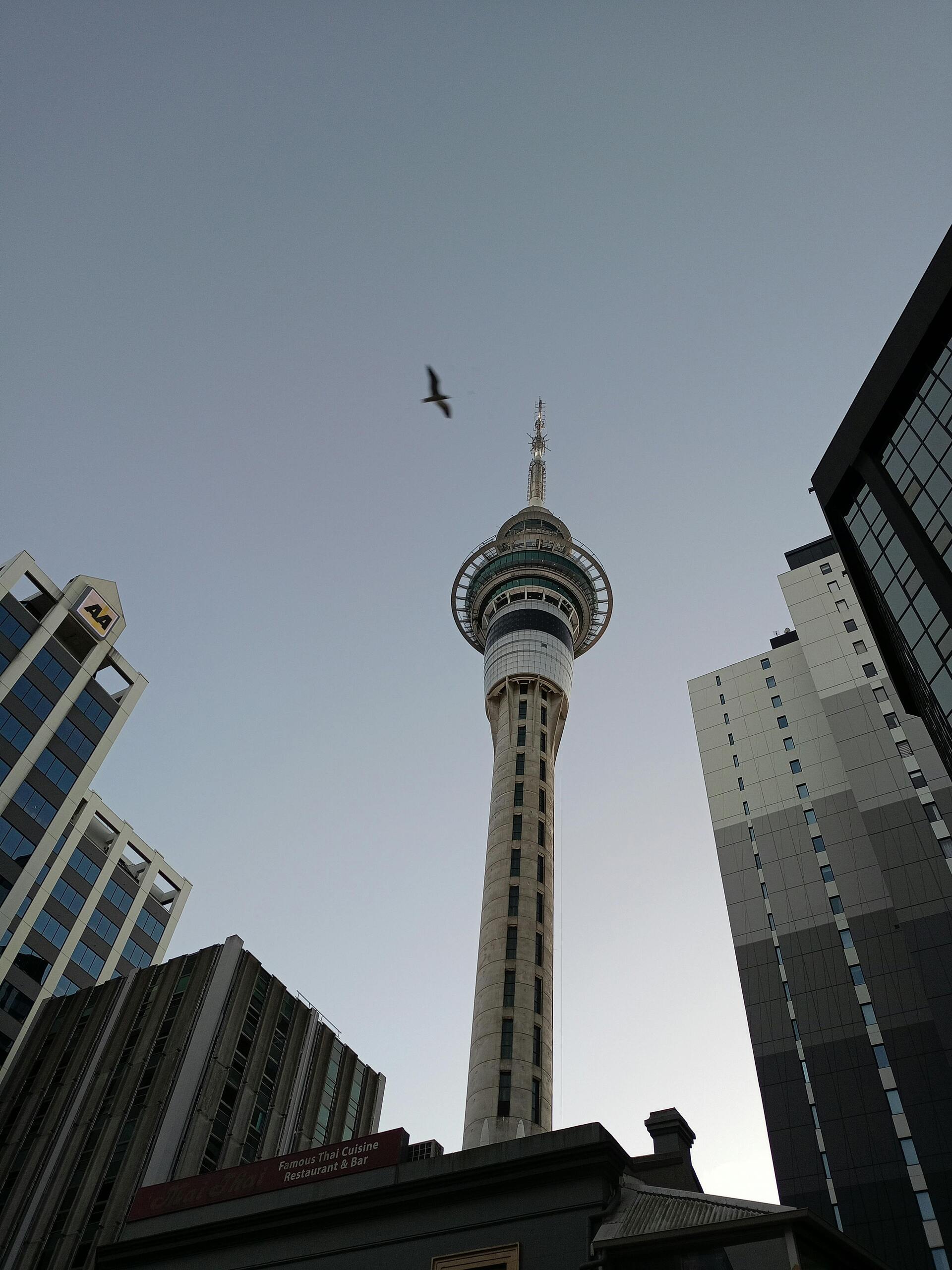
Nestled in the southwestern Pacific Ocean, New Zealand is a country renowned for its breathtaking landscapes, rich Māori heritage, and world-class education system. From the snow-capped peaks of the Southern Alps to the pristine beaches of the Bay of Islands, New Zealand's diverse geography offers endless opportunities for adventure and exploration. The capital city, Wellington, is a vibrant cultural hub, while Auckland, the largest city, blends urban sophistication with stunning harbors and volcanic landscapes.
New Zealand takes pride in its unique bicultural identity, with both Māori and European traditions shaping its national character. While English is the primary language, te reo Māori (the Māori language) holds official status, offering students a chance to engage with indigenous culture. This cultural fusion creates a welcoming and inclusive environment for international students, enriching their educational journey.
The country has produced globally influential figures, from filmmaker Peter Jackson to Nobel Prize-winning scientist Ernest Rutherford. New Zealand's universities, such as the University of Auckland and the University of Otago, are internationally recognized for their research excellence and innovative teaching methods. Students can enjoy a high-quality education while experiencing New Zealand's outdoor lifestyle, from hiking through Fiordland National Park to exploring geothermal wonders in Rotorua.
New Zealand's vibrant student life extends beyond the classroom, with opportunities to participate in unique cultural events like the Māori haka performances, the Pasifika Festival, and adrenaline-fueled activities like bungee jumping and skydiving. The country's safe, friendly communities and high quality of life make it an ideal destination for students seeking both academic rigor and unforgettable life experiences.
With its perfect balance of top-tier education, stunning natural beauty, and rich cultural heritage, New Zealand offers international students a truly transformative study-abroad experience in one of the world's most spectacular environments.
At Race Educare Consultancy, we help Nepali students plan, apply, and prepare for a successful study‑abroad journey to New Zealand—from university selection and visa support to pre‑departure and post‑arrival guidance.
New Zealand offers a powerful mix of academic quality, career opportunities, and lifestyle that suits many Nepali students:
Civil, Electrical, Mechanical, Mechatronics, and Environmental Engineering.
Information Technology & Computer Science
Software Development, Data Science, Cybersecurity, AI and Machine Learning.
Business & Management
BBA, MBA, Marketing, Finance, International Business, Hotel & Tourism Management.
Nursing, Physiotherapy, Occupational Therapy, and Public Health.
Early Childhood Education, Primary Education, and Social Work.
Many Bachelor’s and Master’s degrees are 3–4 years (UG) and 1–2 years (PG), giving you a fast‑track route to an internationally recognised qualification.
Studying in New Zealand is moderate compared with the USA or UK but higher than most European countries. Costs are clearly regulated and predictable:
| Tuition Fees | Living Expenses | Visa & Medical Fees |
|---|---|---|
| Bachelor’s programmes: Roughly NZD 22,000–35,000 per year | Around NZD 20,000–25,000 per year for accommodation, food, transport, and basic health insurance. |
|
Master’s programmes: About NZD 25,000–42,000 per year |
Total annual cost (tuition + living) usually falls in the range of NZD 42,000–60,000 depending on city and lifestyle.



| Admission Requirements | Post-Study Work & Career Opportunities |
|---|---|
Academic qualifications (minimum GPA or percentage). | Up to 3 years stay‑back after graduation. |
English proficiency (IELTS, PTE, TOEFL). | Opportunities in IT, agriculture, healthcare, and business sectors. |
Statement of Purpose and academic transcripts. | Pathways to permanent residency for skilled graduates. |
| Offer letter and visa documentation process. |
Total annual cost (tuition + living) usually falls in the range of NZD 42,000–60,000 depending on city and lifestyle.
Typical Documents include:
New Zealand offers attractive opportunities after graduation:
For Nepali students, New Zealand offers:
At Race Educare Consultancy, we help Nepali students from Nepal plan and execute a successful journey to study in New Zealand:
Free initial counselling and profile assessment to understand your background, budget, and career goals.
University and course selection in New Zealand, including help with IELTS/PTE preparation and reducing score gaps
Document preparation and SOP/LOR support tailored to New Zealand universities.
Visa assistance and guidance through the Immigration New Zealand (INZ) process, including file‑checking, financial‑proof guidance, and follow‑up.
Pre‑departure orientation on accommodation, health insurance, bank accounts, and life in New Zealand.
Post‑arrival support and success tracking, with a strong history of sending Nepali students to top‑ranked New Zealand institutions.
Yes. Most international students can work up to 20 hours per week during term and full‑time during holidays, which helps you cover living costs and gain valuable experience.
Most universities require IELTS 6.0–6.5 overall (with no band below 5.5) or PTE 50–62, depending on your course and level. We can help you prepare and improve your score.
New Zealand is moderate in cost compared with the USA or UK, and lower than some other popular destinations, but still higher than many European countries. With part‑time work, sound planning, and possible scholarships, it becomes very manageable for Nepali families.
Processing usually takes around 4–8 weeks if your documents are complete and well‑organised. We recommend starting at least 3–4 months before your planned intake.
Yes. After graduation and securing a skilled job, you can apply for Post‑Study Work Visa and later a Skilled Migrant Visa that leads to permanent residence if you meet health, character, and income requirements.